
Leadership Stories | Updated August 30, 2026
Accra, Where Have You Seen the Gate?
Accra Conxt invites you to tell us what you have seen, what you have challenged and what you have changed. Where have you encountered gatekeeping in Ghana, and how did you open the door?
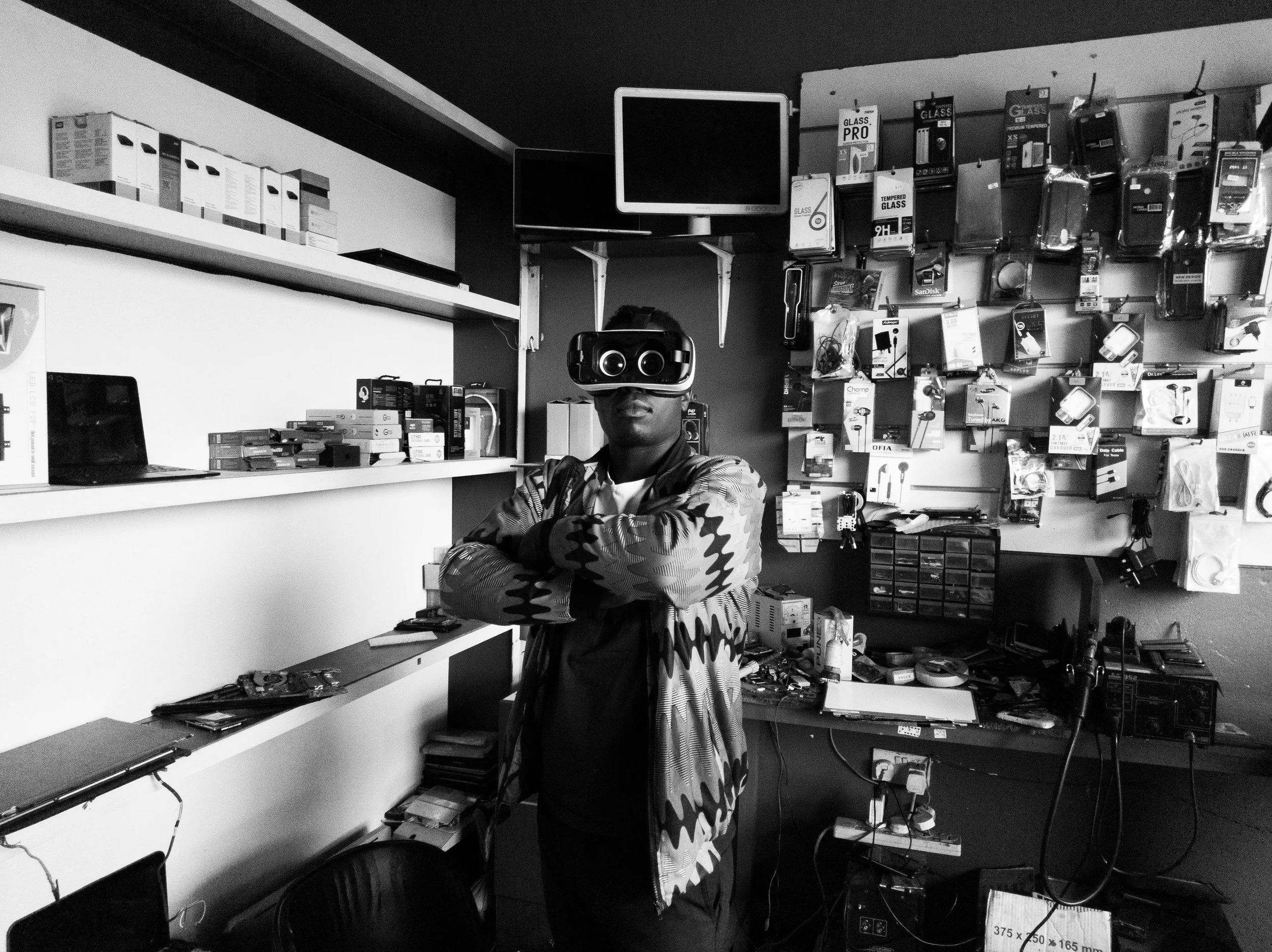
Accra Conxt wants to hear from readers about their experiences with gatekeeping in Ghana. Have you encountered it in employment, business, politics, entertainment, fashion, media, academia, healthcare, education, government, traditional leadership, community development, environmental activism or the creative industries?
We want to know what happened, but we also want to understand the context. Who controlled access? What were you trying to reach? Was the barrier formal or informal? Did it have a legitimate purpose, or did it appear arbitrary? What did being excluded cost you or someone you know?
Most importantly, we want to hear about solutions.
Have you successfully challenged a gatekeeping system? Did you create an open application process, build a new community network, use technology to bypass an outdated system, challenge an institutional policy or create a platform where none previously existed? Did you mentor someone who lacked connections? Did you help an organization change how it makes decisions?
We are interested in the gate, but we are even more interested in what happened when someone decided to open it.
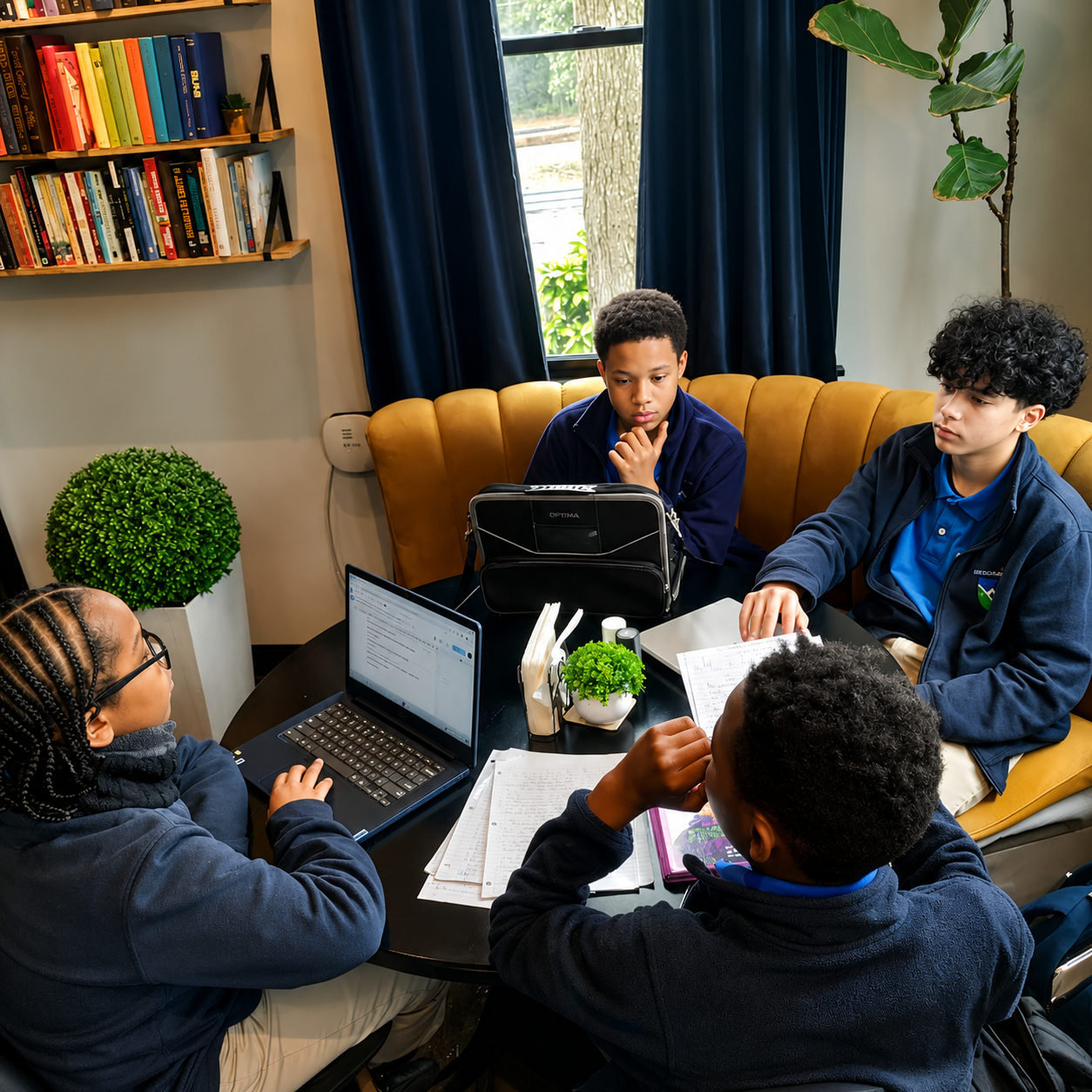
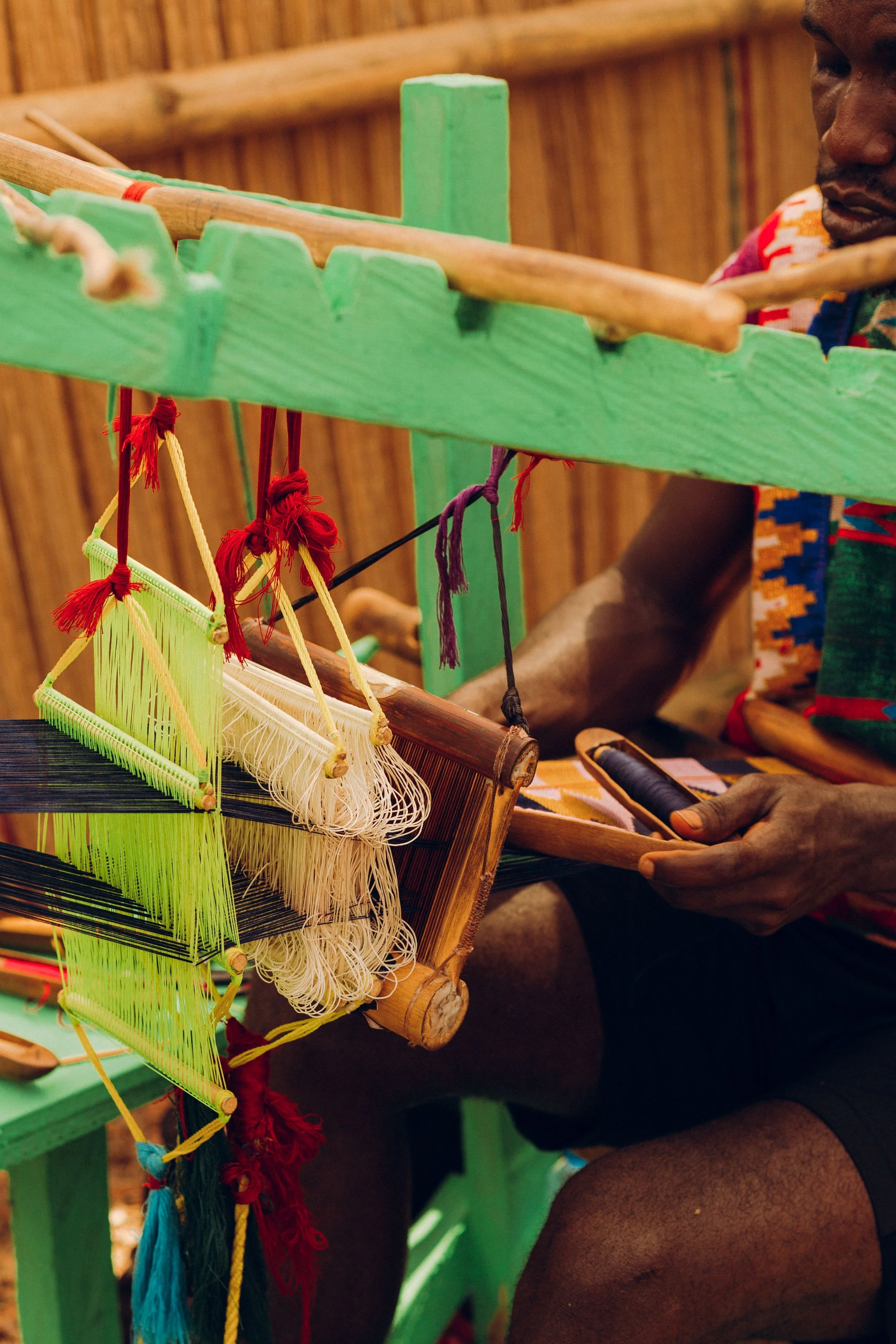
The purpose of this conversation is not to create a list of villains. It is to understand a system and ask whether it can work better.
There will always be moments when society needs a gate. Information needs verification. Vulnerable people need protection. Professions need standards. Communities deserve consent. Institutions need accountability.
But there should be far fewer gates that exist simply because someone has become accustomed to standing in front of them.
Ghana does not need to eliminate expertise, leadership, tradition or professional responsibility. It needs to challenge arbitrary control over access.
A country becomes stronger when more people can participate in building it. A newsroom becomes stronger when it can hear beyond the usual voices. A business becomes stronger when talent matters more than proximity. A university becomes stronger when ideas can arrive from unexpected places. A community becomes stronger when residents have meaningful power over decisions affecting them. An environmental movement becomes stronger when those living closest to the problem are invited into the solution. And a democracy becomes stronger when citizens do not need an introduction to have a voice.
Perhaps the question for Ghana is no longer who holds the key. Perhaps it is why there is only one key.
The future should not belong to the person standing at the gate. It should belong to a society willing to build more doors.